


-

Add: HeBei ShengShi HongBang Cellulose Technology CO.,LTD.
-

Email
13180486930@163.com -

CONTACT US
+86 13180486930


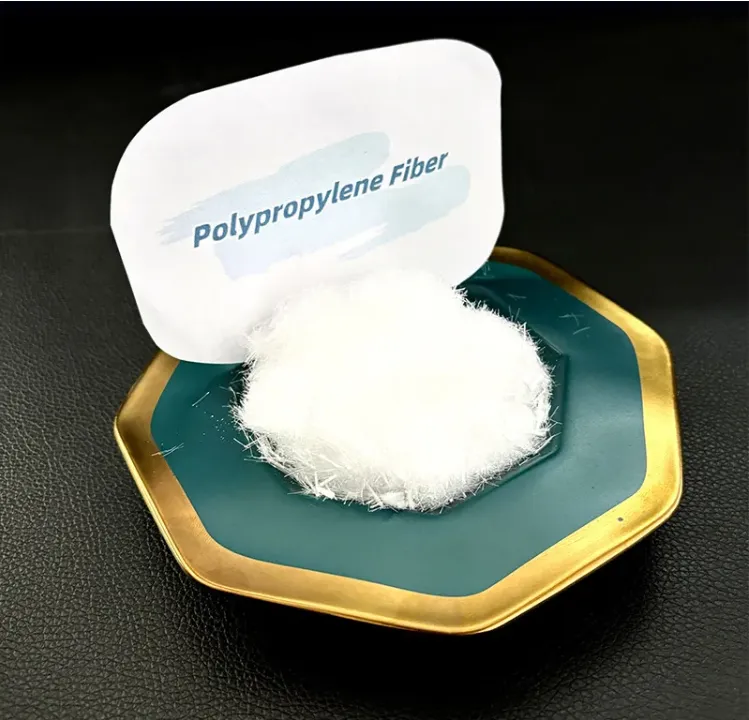
In the world of modern construction, synthetic fibers have revolutionized the way materials are used, enhancing the strength, flexibility, and durability of various building components. The different types of synthetic fibers available today are engineered for specific uses, making them indispensable in many construction projects. These fibers are often used to reinforce concrete, improve the resilience of building structures, and provide additional benefits like increased fire resistance and weather protection. From polypropylene fibers to long glass fibers , synthetic fibers offer a range of options tailored to different needs. Whether it’s increasing the strength of cement or providing insulation properties, the different types of synthetic fibers ensure that construction projects meet high standards of quality and longevity. In addition to their superior performance, synthetic fibers are often more cost-effective and readily available than traditional materials. This makes them a preferred choice for construction companies aiming to reduce costs while maintaining high-quality results. Furthermore, the environmental impact of synthetic fibers is increasingly being addressed with sustainable production methods, making them a more eco-friendly option for the construction industry. Long Glass Fiber Polypropylene: A Key Ingredient for Stronger Materials One of the standout synthetic fibers in the construction industry is long glass fiber polypropylene . This innovative fiber combines the strength of glass with the lightweight, corrosion-resistant properties of polypropylene. As a result, long glass fiber polypropylene is often used to reinforce concrete and other building materials, providing a significant boost in durability and performance. The inclusion of long glass fiber polypropylene in construction materials helps reduce cracking and improve the structural integrity of buildings and roads. The long fibers create a matrix that distributes stresses evenly across the material, preventing localized damage. This fiber is particularly useful in high-strength concrete applications where additional reinforcement is needed. Moreover, long glass fiber polypropylene is highly resistant to environmental factors like moisture, UV radiation, and temperature changes, making it ideal for both indoor and outdoor construction projects. It is commonly used in applications like paving, drainage systems, and even in the production of prefabricated building components. Its versatility and effectiveness in improving the lifespan and reliability of building materials make it a go-to solution for modern construction needs. Fibre Natural and Synthetic: A Comparison of Strength and Sustainability When choosing materials for construction, understanding the difference between fibre natural and synthetic options is crucial. While natural fibers such as jute, hemp, and cotton have been traditionally used in construction, synthetic fibers like polypropylene, polyester, and nylon have emerged as more durable and cost-effective alternatives. Fibre natural and synthetic materials each have their own advantages, making them suitable for different types of applications. Natural fibers are renewable, biodegradable, and often produced using more sustainable methods, making them a more eco-friendly option. However, they may not offer the same level of strength or resistance to environmental factors as synthetic fibers. On the other hand, synthetic fibers are engineered for durability, offering superior resistance to moisture, heat, and wear. They are often used to enhance the properties of natural materials, making them more suitable for demanding construction environments. For example, natural fibers like hemp may be used in insulation or as a reinforcement material in low-stress applications, while synthetic fibers like polypropylene or polyester are used for high-strength reinforcement in concrete, roofing, and other critical structures. By combining the best of both fibre natural and synthetic materials, construction companies can achieve optimal performance and sustainability. Non-Woven Polypropylene Fiber: A Revolutionary Material in Construction Non woven polypropylene fiber is another essential material that is increasingly being used in the construction industry. Unlike traditional woven fabrics, non woven polypropylene fiber is made from a process that bonds fibers together without weaving or knitting, resulting in a highly versatile material with excellent durability and moisture resistance. This fiber is widely used in applications like drainage systems, geotextiles, and road construction. Non woven polypropylene fiber provides a lightweight yet strong solution for reinforcing construction materials. It is often used in soil stabilization, as it helps prevent erosion and improves the strength of the ground underneath roads, bridges, and buildings. The material's ability to resist moisture also makes it ideal for protecting against corrosion and extending the lifespan of infrastructure. Additionally, non woven polypropylene fiber is environmentally friendly, as it is made from recyclable polypropylene, a material that can be repurposed for various other uses. Its cost-effectiveness, combined with its high-performance qualities, makes it a popular choice for contractors seeking durable and sustainable solutions for their construction projects. S ynthetic F ibers FAQs What are the different types of synthetic fibers used in construction? Synthetic fibers used in construction include polypropylene, polyester, nylon, and glass fibers. Each type is engineered for specific applications, such as reinforcing concrete, improving durability, and providing insulation. What is long glass fiber polypropylene, and why is it important in construction? Long glass fiber polypropylene is a fiber that combines the strength of glass with the lightweight, corrosion-resistant properties of polypropylene. It is essential in construction for reinforcing concrete, improving structural integrity, and preventing cracking. What are the benefits of using natural fibers in construction? Natural fibers , like hemp or jute, offer benefits such as renewability, biodegradability, and sustainability. They are commonly used for insulation and low-stress reinforcement, but may not be as durable or resistant to environmental factors as synthetic fibers. How does non-woven polypropylene fiber differ from woven fabrics? Unlike woven fabrics, non-woven polypropylene fiber is made through a bonding process that does not involve weaving or knitting. This results in a highly durable and moisture-resistant material, commonly used in geotextiles, drainage systems, and soil stabilization. Are synthetic fibers environmentally friendly? While synthetic fibers are often made from petroleum-based products, many are now produced using more sustainable methods. Additionally, materials like non woven polypropylene fiber are recyclable, making them a more environmentally friendly choice in construction. As construction needs evolve, synthetic fibers like long glass fiber polypropylene and non woven polypropylene fiber continue to play a crucial role in enhancing the strength, durability, and sustainability of building materials. If you're in the construction business, investing in these cutting-edge fibers will improve the performance of your projects and contribute to more eco-friendly practices. Visit our website today to explore our wide range of high-quality synthetic fibers and learn how they can transform your construction projects!
- 40000tons

Production
- 20+years

Experience
- 5000+㎡

Acreage

-
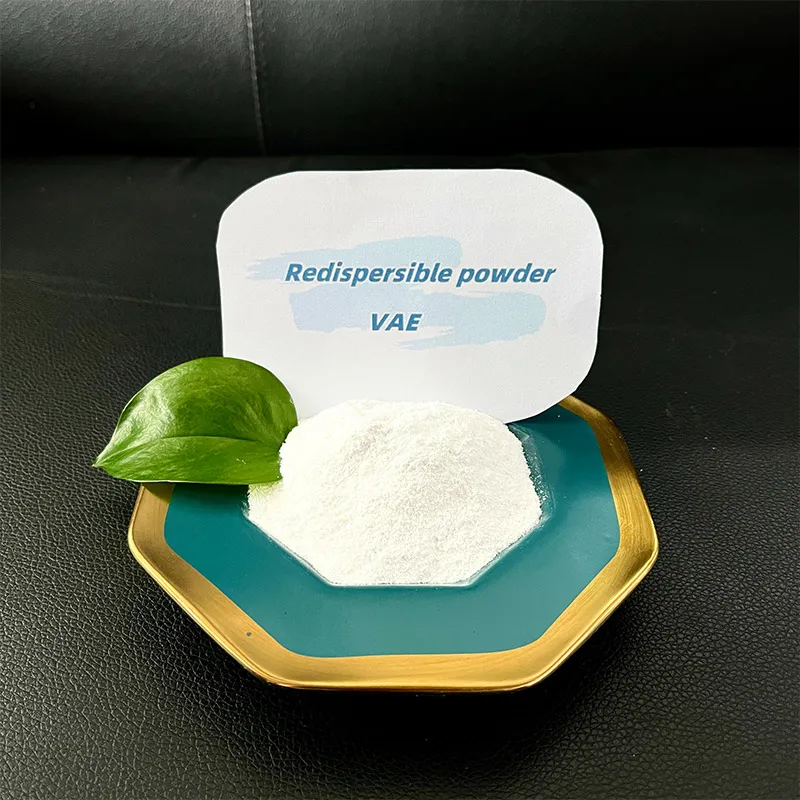
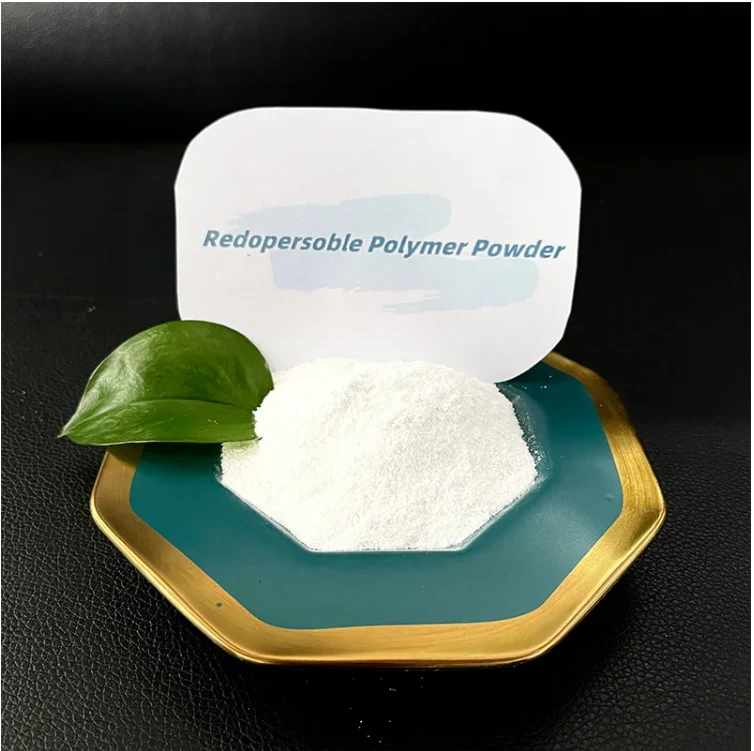
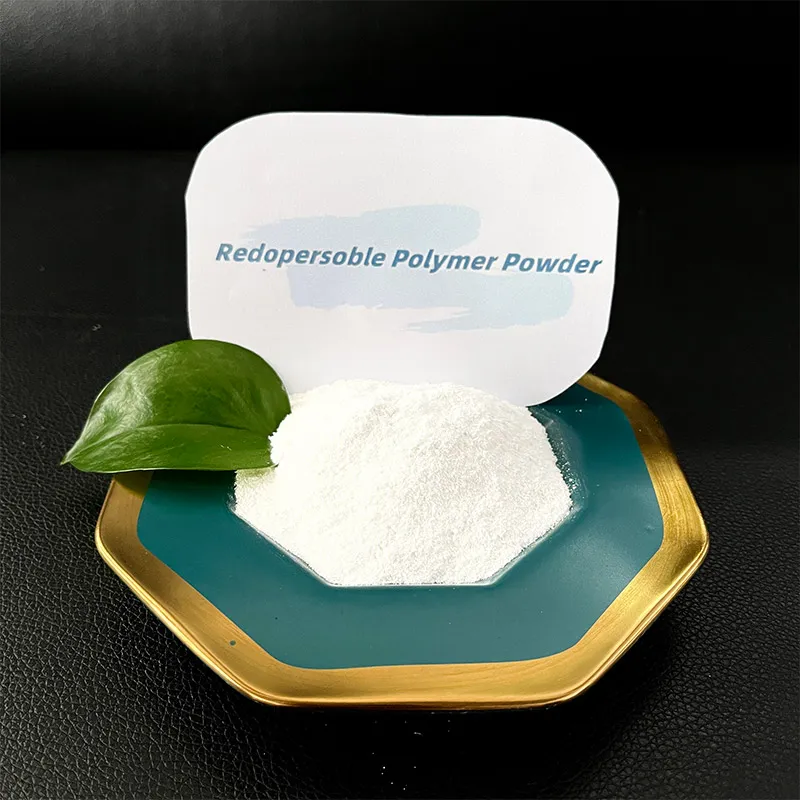
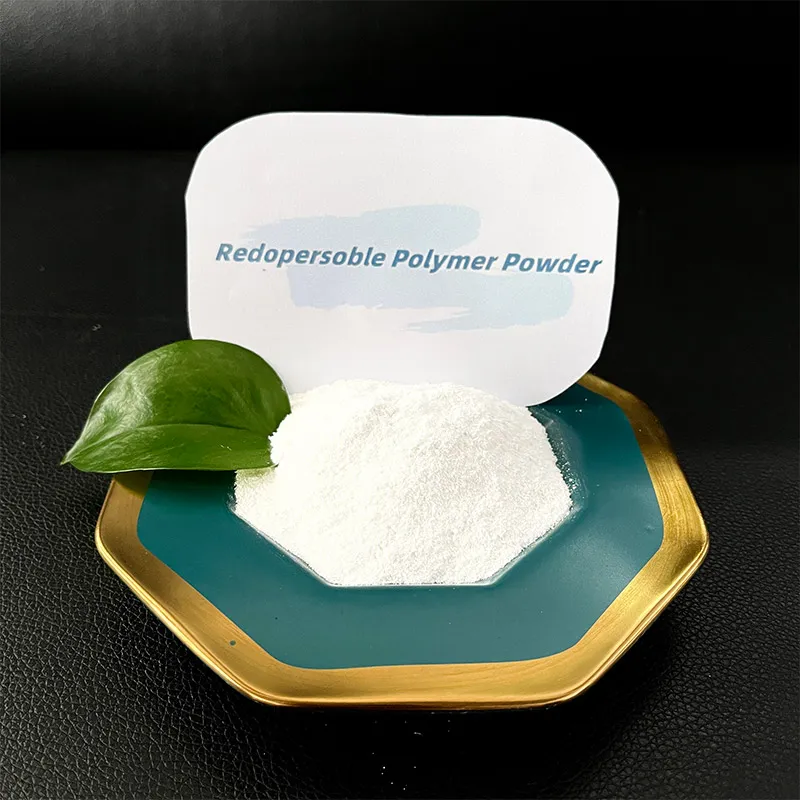
Company Overview HeBei ShengShi HongBang Cellulose Technology CO.,LTD. Visit Official Website Tel: +86 13180486930 Mobile: +86 13180486930 Email: 13180486930@163.com Address: HeBei ShengShi HongBang Cellulose Technology CO.,LTDRoom 1904, Building B, Wanda Office Building, JiaoYu Road, Xinji City, Hebei Province Product Details Product Name: Redispersible powder VAE Product Overview: Re-dispersible polymer powder products are a significant innovation in the realm of construction and industrial applications, offering versatile solutions due to their unique properties and capabilities. Product URL: https://www.sshbhpmc.com/redispersible-powder-vae.html Introduction to Redispersible Emulsion Powder and Its Industrial Importance Redispersible emulsion powder is a specialized additive manufactured from synthetic resin polymers, commonly VAE (Vinyl Acetate-Ethylene) copolymers. This advanced material is primarily designed to enhance flexibility, adhesion, water resistance, and workability in a variety of applications, especially within the construction sector. As a fine free-flowing powder, redispersible emulsion powder is produced by spray drying polymer emulsions with protective colloids. Upon contact with water, the powder re-disperses rapidly into a stable emulsion, restoring its original properties and integrating seamlessly into cement, mortar, and gypsum-based systems. According to the ScienceDirect Redispersible Polymer Powder Overview , “Redispersible powders are indispensable in drymix mortars, offering enhanced bonding strength and flexibility while improving end-user convenience.” With modernization and rising quality requirements in new buildings, renovations, and prefabricated components, redispersible latex powder and related products like polymer powder have seen a steady upward trend in demand worldwide. Industry Trends: Market Growth and Application Prospects The redispersible emulsion powder market is witnessing robust growth thanks to its rising utilization in: Durable tile adhesives High-flexibility wall putties and plasters Self-leveling flooring compounds External insulation & finishing systems (EIFS) Waterproofing membranes and hydro-insulation layers Gypsum-based renderings and repair mortars Flexible cementitious grouts According to Mordor Intelligence , the global redispersible powder market is expected to surpass USD 3.5 billion by 2027, driven by mega construction projects, sustainable building practices, and rapid infrastructure development in Asia-Pacific, Middle East, and Latin America. Key Chemical and Technical Parameters Table Parameter Typical Value (VAE Type) Significance Appearance White, free-flowing powder Ensures ease of drymix blending Solid Content (%) ≥98.0 Indicates quality, performance reliability Particle Size (µm) 80–150 Impacts dispersibility in mixes pH Value 5.0–8.0 Compatible with cementitious systems Polymer Base VAE (Vinyl Acetate-Ethylene Copolymer) Delivers desired flexibility and strength Minimum Film Forming Temperature (°C) 0–5 Enables application in various climates Redispersibility (%) ≥95.0 Assures rapid, thorough reactivation in water Protective Colloid Polyvinyl alcohol (PVA) / Cellulose ethers Affects stability and shelf-life Bulk Density (g/L) 400–600 Facilitates volumetric dosing Technical Parameter Trends ( Redispersible Emulsion Powder ) VAE Redispersible Powder: Application Scenarios and Value Proposition VAE redispersible powder , such as the "Redispersible powder VAE" by HeBei ShengShi HongBang Cellulose Technology, is essential in: Tile adhesives & grouts – ensures powerful bonding, improved slip resistance, and flexibility. EIFS/ETICS – critical for weather resistance and crack bridging in insulation systems. Self-leveling screeds – imparts smooth application, shrinkage control, and higher durability. Gypsum plasters – upgrades their strength and surface cohesion. Waterproofing mortars – improves adhesion and abrasion resistance in wet areas. Repair mortars – boosts structure repair with excellent adhesion and flexibility. Innovative product engineering and the continuous improvement in VAE polymerization, as highlighted in ResearchGate studies , have broadened the versatility and market reach of redispersible powders in construction and industrial fields. Comparison & Visualization of Redispersible Powder VAE Technical Indicators The graphs above present a comprehensive view of redispersible powder VAE technical characteristics, confirming reliability and optimal performance for advanced construction chemistry. FAQ: Professional FAQ about Redispersible Emulsion Powder (VAE Type) 1. What is Redispersible Emulsion Powder made of? Primarily synthesized from VAE (Vinyl Acetate-Ethylene) copolymers , combined with protective colloids such as PVA and cellulose ethers, ensuring stability and easy re-dispersion. 2. What are the available grades/specs for construction applications? Different grades depend on polymer composition and particle size; e.g., grades with varying ethylene/VAc ratios, solid content (≥98%), and minimum film forming temperature for climate adaptability. 3. What installation standards are supported? Redispersible emulsion powders conform to standards like ASTM C472, EN 12004 (Tile Adhesives), and ASTM C91 (Masonry Mortars), ensuring compliance with both local and international regulations. 4. How does redispersible powder improve final mortar properties? It enhances flexibility, tensile strength, water resistance, workability, adhesion , and crack resistance—making mortars more durable and reliable under varying site conditions. 5. Are there environmental or safety certifications? Yes. Major polymer powder producers like SSHB hold ISO9001, ISO14001 certifications, and raw materials meet REACH & RoHS directives for environmental safety. 6. Can redispersible latex powder be stored long-term? What are best practices? Absolutely. Store below 30°C in a dry, sealed condition, avoid direct sunlight, and use moisture-resistant packaging. Standard shelf life is 12–24 months. 7. How does VAE compare with other polymer base options? VAE offers superior flexibility and workability at an economical cost, whereas acrylic-based powders focus on higher water resistance but at increased cost. Why Choose HeBei ShengShi HongBang Cellulose Technology CO.,LTD.? Expertise: Over a decade producing redispersible emulsion powder for clients across five continents, serving both generic and customized OEM/ODM requests. Authoritativeness: Renowned technical R&D team and laboratory, cited by forums like ChemLinked . Trustworthiness: Strict quality control, traceable raw materials, and robust logistics management support global projects reliably. “The integration of VAE-based redispersible emulsion powders in high-performance mortars continues to reshape the construction chemistry landscape.”— Journal of Cleaner Production References & Industry Citations For additional technical insights, market data, and scholarly analysis on redispersible emulsion powder and redispersible powder VAE , consult: ScienceDirect – Redispersible Polymer Powder ResearchGate – Application of Redispersible Polymer Powder in Mortar Mordor Intelligence – Market Report ChemLinked – Market Analysis Journal of Cleaner Production To order redispersible emulsion powder , customized VAE grades, or to consult with our experts, please contact HeBei ShengShi HongBang Cellulose Technology CO.,LTD. by email at 13180486930@163.com or call +86 13180486930 .
-
HPMC E5 LV, connu sous le nom de hydroxypropylméthylcellulose, est un polymère essentiel dans l'industrie des matériaux de construction, en particulier dans la production de produits de ciment et de plâtre. Son utilisation croissante est liée à ses propriétés uniques qui améliorent les performances des matériaux de construction. Voici une analyse approfondie basée sur l'expérience, l'expertise, l'autorité et la fiabilité du HPMC E5 LV. Une des applications principales du HPMC E5 LV est dans les mortiers à base de ciment et les produits de finition. Grâce à ses propriétés de rétention d'eau et à la bonne consistance qu'il apporte, HPMC E5 LV joue un rôle crucial dans l'optimisation de l'ouvrabilité des mélanges de ciment. Nos experts indiquent que ce polymère joue un rôle significatif en empêchant le phénomène de dessiccation rapide qui peut entraîner des fissures et des effritements. Les performances du HPMC E5 LV dans les mortiers de ciment et les enduits sont soutenues par des essais pratiques et des recherches empiriques. Plusieurs professionnels du secteur ont expérimenté une meilleure uniformité dans l'application, des temps de travail prolongés, et une augmentation significative de l'adhérence aux surfaces. Cela est principalement dû à l'amélioration de la teneur en eau distribuée dans le mélange, ce qui optimise la réaction de durcissement du ciment . En outre, le HPMC E5 LV démontre une expertise indéniable lorsqu'il est utilisé dans l'industrie des adhésifs et des mastics. Sa capacité à améliorer la texture et la durabilité, tout en maintenant une capacité de collage exceptionnelle, en fait le choix préféré de nombreux fabricants. Sa performance ne se limite pas seulement à la phase humide; le séchage aboutit à une surface adhérente qui possède une résistance fiable sous différentes conditions environnementales. HPMC E5 LV En ce qui concerne l'autorité du produit, le HPMC E5 LV est soumis à des contrôles rigoureux de qualité impliquant des tests à plusieurs niveaux pour garantir que chaque lot répond aux normes industrielles en vigueur. Les fabricants de HPMC E5 LV appliquent des procédures de contrôle de qualité notables pour s'assurer que chaque produit puisse offrir le niveau de performance attendu, en assurant ainsi la satisfaction des utilisateurs finaux. Enfin, la fiabilité du HPMC E5 LV est bien attestée par une série d'applications concluantes dans différents projets de construction à travers le monde. Son efficacité est prouvée non seulement à travers des essais en laboratoire, mais aussi dans sa capacité à maintenir sa performance tout au long de longs cycles d'application. Les utilisateurs ont exprimé une confiance continue envers ce produit, soulignant qu'il convient parfaitement même dans des conditions climatiques difficiles. En conclusion, HPMC E5 LV représente un choix stratégique pour les fabricants de produits cimentaires et adhésifs qui cherchent à améliorer les propriétés techniques de leurs matériaux. Grâce à son expérience, son expertise, son autorité et sa fiabilité, il est devenu une solution incontournable dans le secteur de la construction, garantissant une qualité supérieure et des performances optimales sur chaque projet.
advantages
-

200000 Viscosities
Excellent product
We can produce pure products up to 200,000 viscosities
-

40000 tons
High yield
We don’t stop production all year round, and the annual output can reach 40,000 tons
-

24 hours
Quality service
We provide 24-hours online reception service, welcome to consult at any time
———— Inquiry Form
Schedule A services
-
 hydroxypropyl_starch_phosphate_curly_hair
Oct . 25, 2025
Hydroxypropyl Methylcellulose (HPMC) has become an indispensable component in various industries due -
 methylcellulose_artificial_tears
Oct . 25, 2025
El Hormigón Armado con Polifibras Innovación y Ventajas en la Construcción Moderna El hormigón armad -
 hpmc_inci
Oct . 25, 2025
Understanding Cellulose Derived from Wood Cellulose is a vital organic compound that forms the struc


